
LPG and natural gas: what is different
LPG runs at a different pressure and needs its own regulators and appliance jets. Switching an appliance between the two is a job for a gas fitter, not a swap of the bottle.
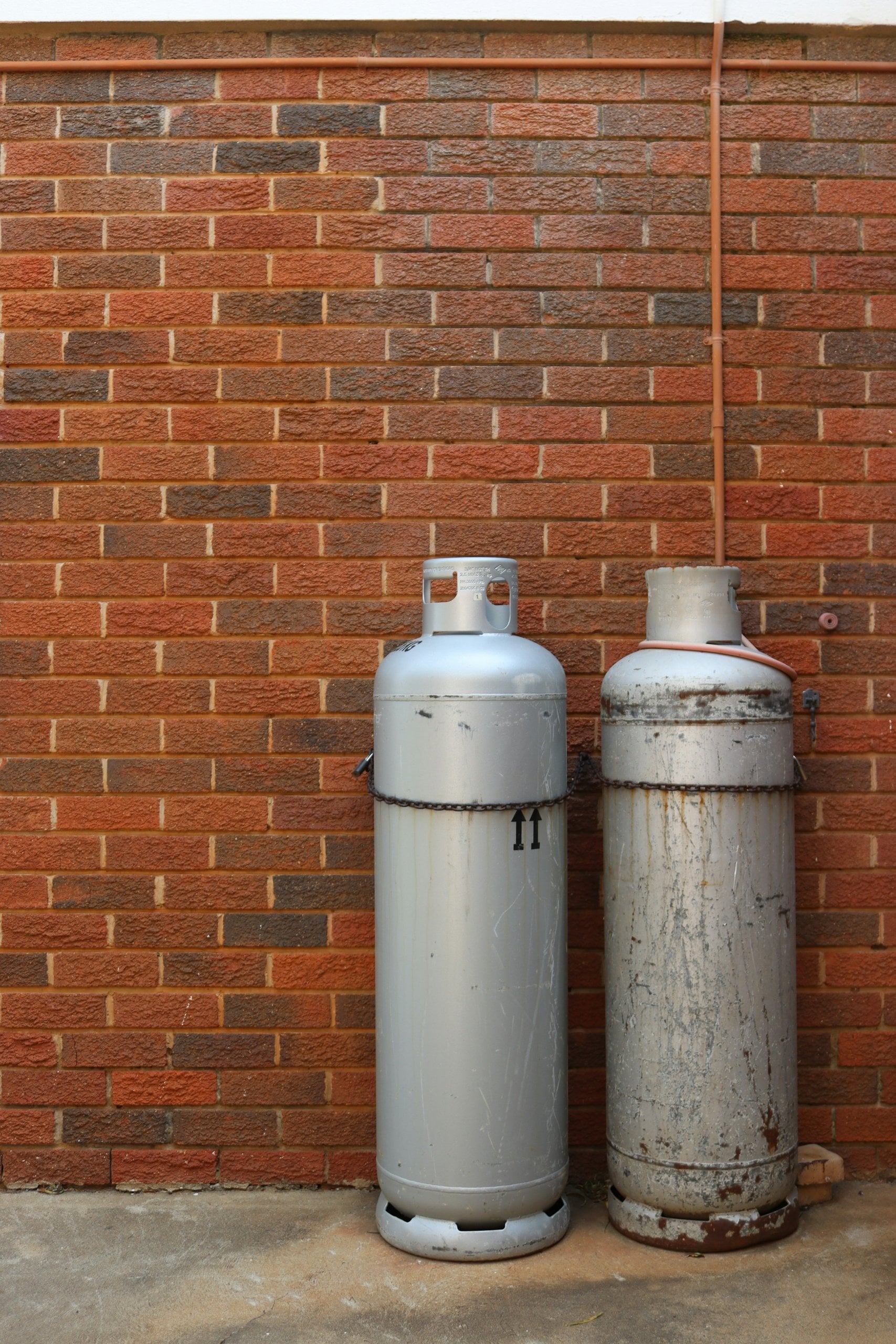
- 45kg cylinders
- Twin-cylinder changeover
- Regulators & pigtails
- LPG to natural gas
A twin-cylinder changeover keeps the gas running by switching to the full bottle when one empties; the regulator is what makes that work.
Converting an appliance from LPG to natural gas, or the reverse, means changing jets and settings so it burns correctly and safely.
Regulators, safety, and who supplies the gas
A failed regulator is a common LPG fault and a safety matter. We are supplier-agnostic: we do the fitting and safety side, and you buy gas from whichever supplier you prefer.
Regulators and pigtails wear and fail over time; we replace them and check the system is safe and gas-tight.
We do not lock you to a gas supplier. You choose where your bottles come from, and we look after the installation and the safety.
FAQ
Common LPG questions
RELATED
Other gas services
Gas
Gas leak detection
If you smell gas, find it safely.
Gas
Gas leak repairs
Locate, repair, pressure-test and certify.
Gas
Gas hot water
Continuous flow and storage, installed.
Gas
Continuous flow hot water
Endless hot water, sized right.
Gas
Gas appliance installation
Cooktops, heaters and BBQs connected.
Gas
Gas cooktops
Cooktop installs and changeovers, certified.
Gas
Gas line installation
New gas points and lines, certified.
Gas
Gas safety inspections
Compliance checks and certificates.