
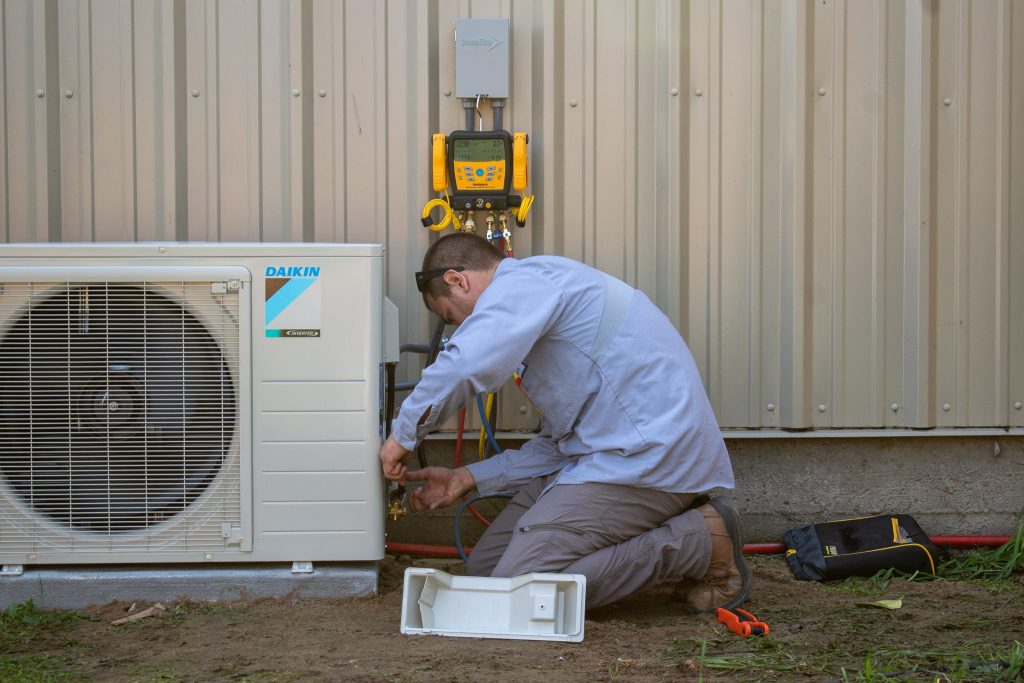
Air conditioning (AC) has become a staple in modern homes and workplaces, providing comfort during hot weather and enhancing productivity. However, while air conditioning systems play a vital role in maintaining a comfortable environment, they can also significantly impact indoor air quality (IAQ) and overall health. Understanding this relationship is crucial for maximizing the benefits of air conditioning while minimizing potential health risks.
How Air Conditioning Affects Indoor Air Quality
- Circulation of Airborne Particles Air conditioning systems circulate air throughout a space, which can help to disperse pollutants and allergens. However, if the system is not well-maintained, it can also circulate dust, pollen, mold spores, and other harmful particles. Over time, these contaminants can accumulate in the air ducts, filters, and on the evaporator coils, leading to poor IAQ.
- Humidity Control One of the primary functions of air conditioning is to remove humidity from the air. High humidity levels can promote the growth of mold and mildew, which can exacerbate respiratory issues and trigger allergies. Effective AC systems help maintain optimal humidity levels, typically between 30-50%, thus preventing the proliferation of mold and other harmful microorganisms.
- Ventilation Challenges Many air conditioning systems recycle indoor air without introducing fresh outdoor air. This can lead to a buildup of indoor pollutants, including volatile organic compounds (VOCs) emitted from furniture, cleaning products, and paints. Without proper ventilation, occupants may experience symptoms such as headaches, dizziness, and respiratory irritation.
Health Implications of Poor Indoor Air Quality
- Respiratory Issues Exposure to poor IAQ can lead to various respiratory problems, including asthma, allergies, and chronic obstructive pulmonary disease (COPD). Dust mites, mold, and pet dander can trigger asthma attacks and allergic reactions, especially in vulnerable populations such as children and the elderly.
- Headaches and Fatigue Poor air quality can contribute to headaches and fatigue due to the accumulation of indoor pollutants. Prolonged exposure to high levels of VOCs can cause symptoms like headaches, nausea, and fatigue, significantly impacting quality of life.
- Long-Term Health Risks Some indoor pollutants, such as formaldehyde and benzene, are known carcinogens. Long-term exposure to these substances can increase the risk of developing serious health issues, including cancer. Ensuring good IAQ is essential for long-term health and well-being.
Strategies for Improving Indoor Air Quality with Air Conditioning
- Regular Maintenance Routine maintenance of air conditioning systems is crucial for optimal performance. This includes changing filters regularly, cleaning the evaporator coils, and ensuring that the drain pans are clear of debris. Regular inspections by a professional can identify and rectify issues that may impact air quality.
- Use of High-Efficiency Filters Installing high-efficiency particulate air (HEPA) filters can significantly improve indoor air quality by trapping smaller particles that standard filters might miss. This is especially beneficial for individuals with allergies or respiratory conditions.
- Incorporating Fresh Air Ventilation Consider integrating fresh air ventilation systems into your air conditioning setup. These systems can introduce outdoor air, helping to dilute indoor pollutants and improve overall air quality.
- Monitoring Humidity Levels Use a hygrometer to monitor indoor humidity levels and employ dehumidifiers as necessary to maintain optimal humidity. Keeping humidity within the recommended range can prevent mold growth and improve comfort.