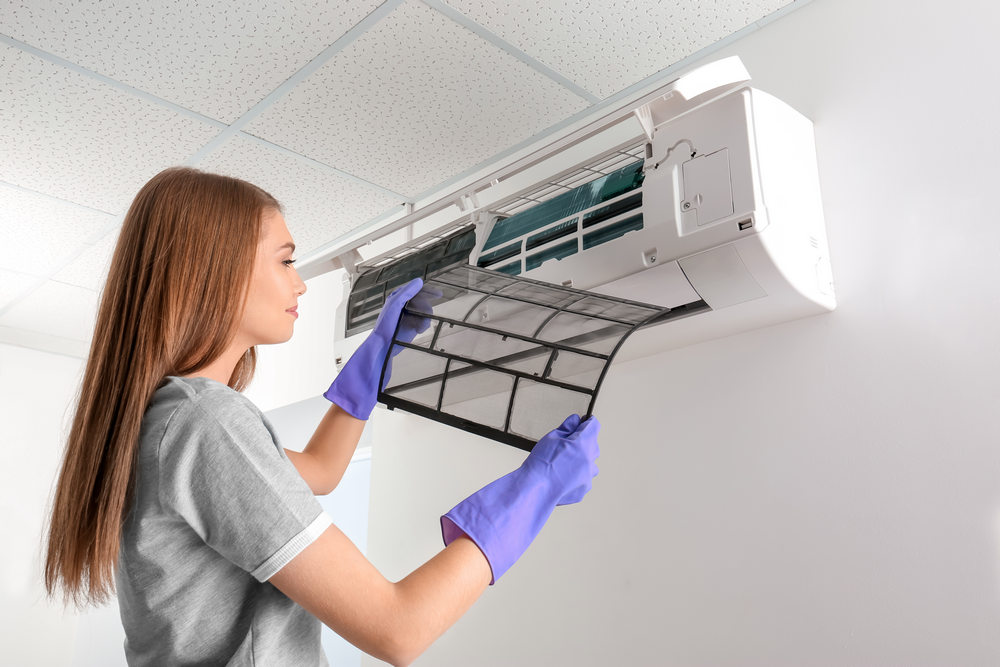
Air conditioning systems are crucial for maintaining comfort in our homes and workplaces, especially during the sweltering summer months. However, like any mechanical system, they require regular maintenance to operate at peak performance and efficiency. Proper upkeep not only extends the life of your air conditioner but also helps reduce energy costs. Here are some essential maintenance tips to ensure your AC system runs optimally.
1. Regularly Replace or Clean Filters
One of the simplest yet most effective maintenance tasks is to check and replace or clean your air conditioner’s filters. Clogged or dirty filters restrict airflow, causing the system to work harder, which can lead to increased energy consumption and potential system failure.
- Frequency: Check filters every month and replace or clean them every 1-3 months, depending on usage and the type of filter.
- Types of Filters: Consider using high-efficiency filters (like HEPA) for better air quality and performance.
2. Clean the Condenser Coils
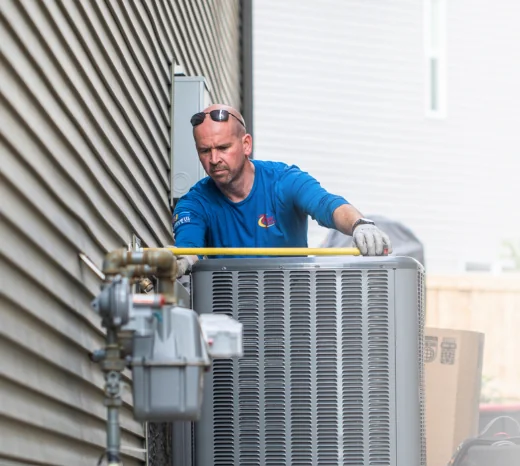
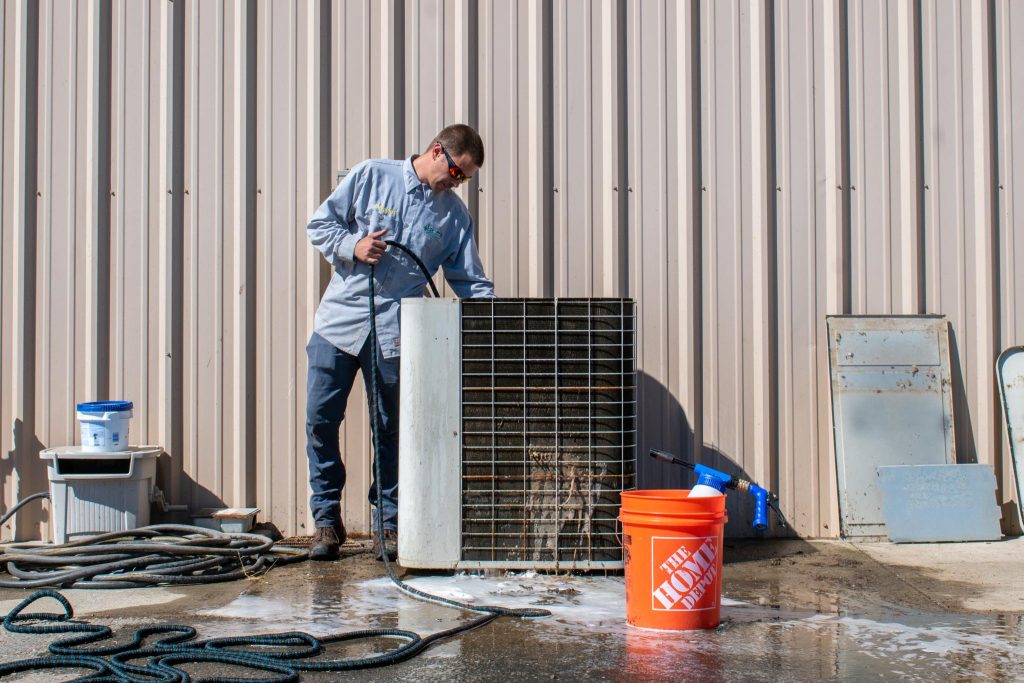
The condenser coils, located outside the unit, are responsible for releasing heat from your home. Over time, they can accumulate dirt and debris, which can hinder their ability to cool effectively.
- Maintenance Tip: Inspect the coils at least once a year, and clean them with a soft brush or a garden hose. Make sure to turn off the power to the unit before cleaning.
- Clear Surrounding Area: Keep the area around the condenser free from leaves, grass clippings, and other obstructions that can block airflow.
3. Check the Drain Line
Air conditioners remove moisture from the air, which is collected in a drain pan and directed away from the unit via a drain line. If this line becomes clogged, it can lead to water damage and increased humidity indoors.
- Maintenance Tip: Inspect the drain line regularly and clear any blockages. You can use a wet/dry vacuum to remove any debris that may be causing a blockage.
- Preventive Measures: Pour a mixture of vinegar and water down the drain line every few months to help prevent clogs.
4. Inspect the Thermostat
A properly functioning thermostat ensures that your air conditioning system runs only when needed. If the thermostat is malfunctioning, it can lead to inefficient cooling and higher energy bills.
- Maintenance Tip: Test the thermostat regularly by setting it to different temperatures and observing the system’s response. If your thermostat is outdated, consider upgrading to a programmable or smart thermostat for better energy management.
5. Seal Ducts and Insulate
Leaky ducts can significantly reduce your air conditioning system’s efficiency by allowing cool air to escape. Proper sealing and insulation of ducts can help improve airflow and reduce energy costs.
- Maintenance Tip: Inspect ductwork for any visible signs of leaks or damage. Use duct tape or mastic sealant to seal any gaps. Consider hiring a professional for a comprehensive inspection and sealing if needed.
6. Schedule Professional Inspections
While there are many maintenance tasks homeowners can handle, scheduling regular professional inspections is essential for optimal performance.
- Frequency: Aim for at least one professional maintenance check per year, ideally before the cooling season begins.
- Benefits: A professional technician can identify and address potential issues before they become significant problems, ensuring your system runs efficiently.